If you lift, aim for 1.6 g of protein per kilo of body weight per day (about 0.7 g per pound). That's the point where studies stop seeing extra muscle gain for most people. At 70 kg (154 lb) that's about 112 g a day. If you don't train, the recommended minimum is 0.8 g per kilo.
Your number by goal
| Your goal | Grams per kg per day | Example: 70 kg (154 lb) |
|---|---|---|
| General health, no training | 0.8 g | 56 g |
| Training to build muscle | 1.6 g | 112 g |
| Losing fat without losing muscle | 1.8 to 2.2 g | 126 to 154 g |
Multiply your weight in kilos by the number in your row. If you carry a lot of extra weight, use your goal weight instead of your current weight, or the number comes out higher than you need.
How to split it across the day
You don't need to eat all your protein at once. It works better split into 3 to 5 meals with 20 to 40 g each. For someone at 70 kg aiming for 112 g:
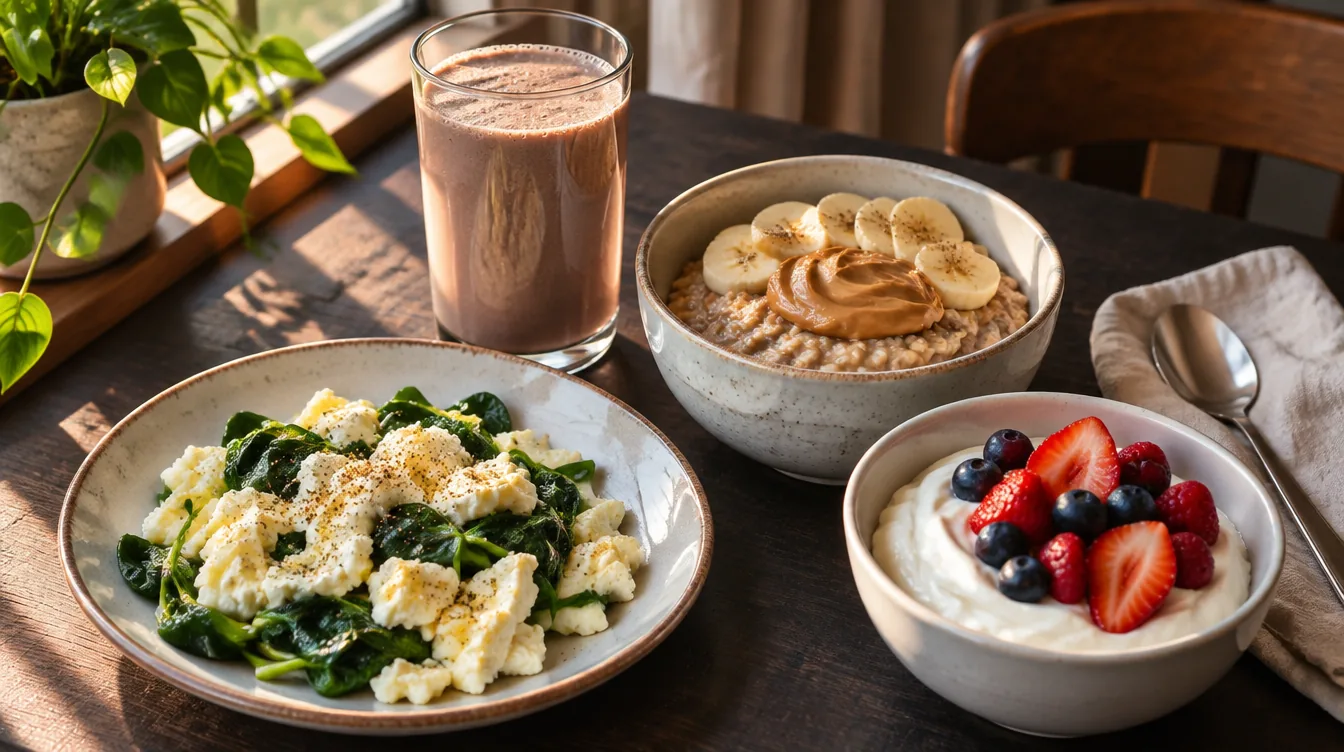
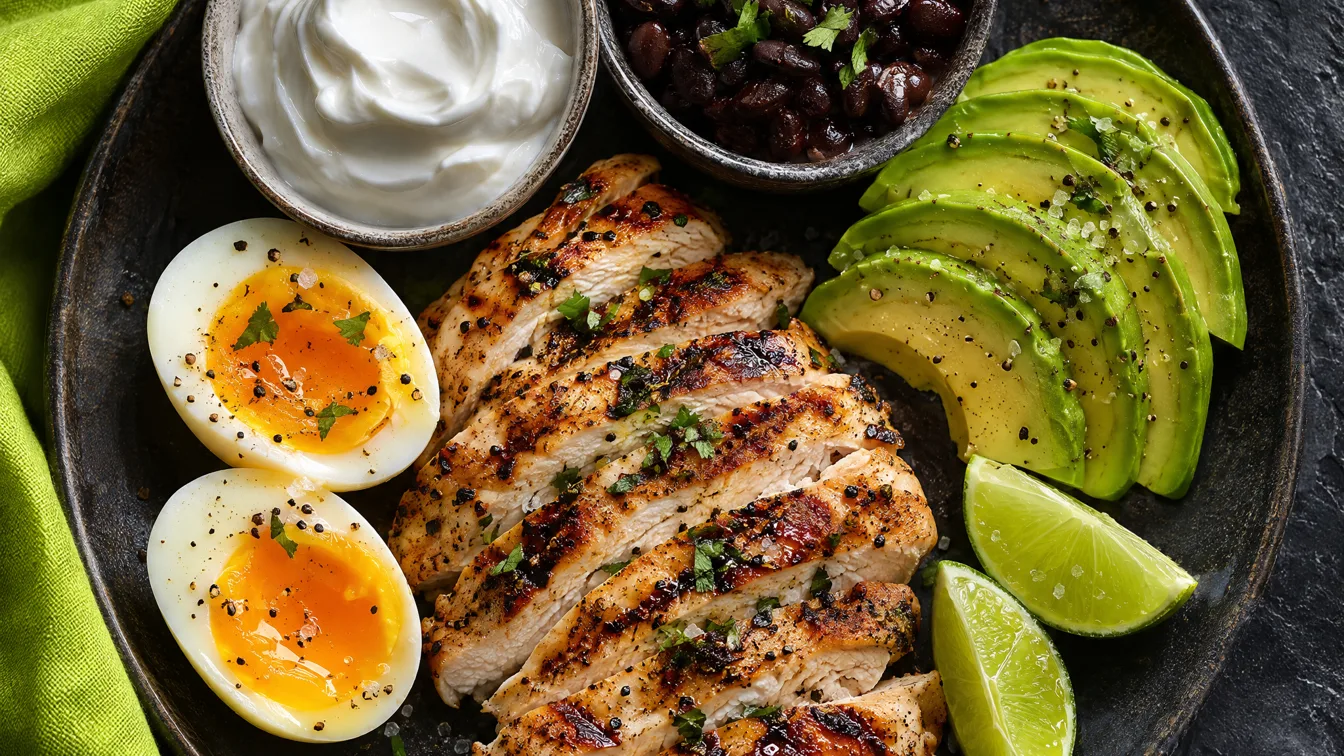
- Breakfast (30 g): 3 eggs + 1 cup of Greek yogurt.
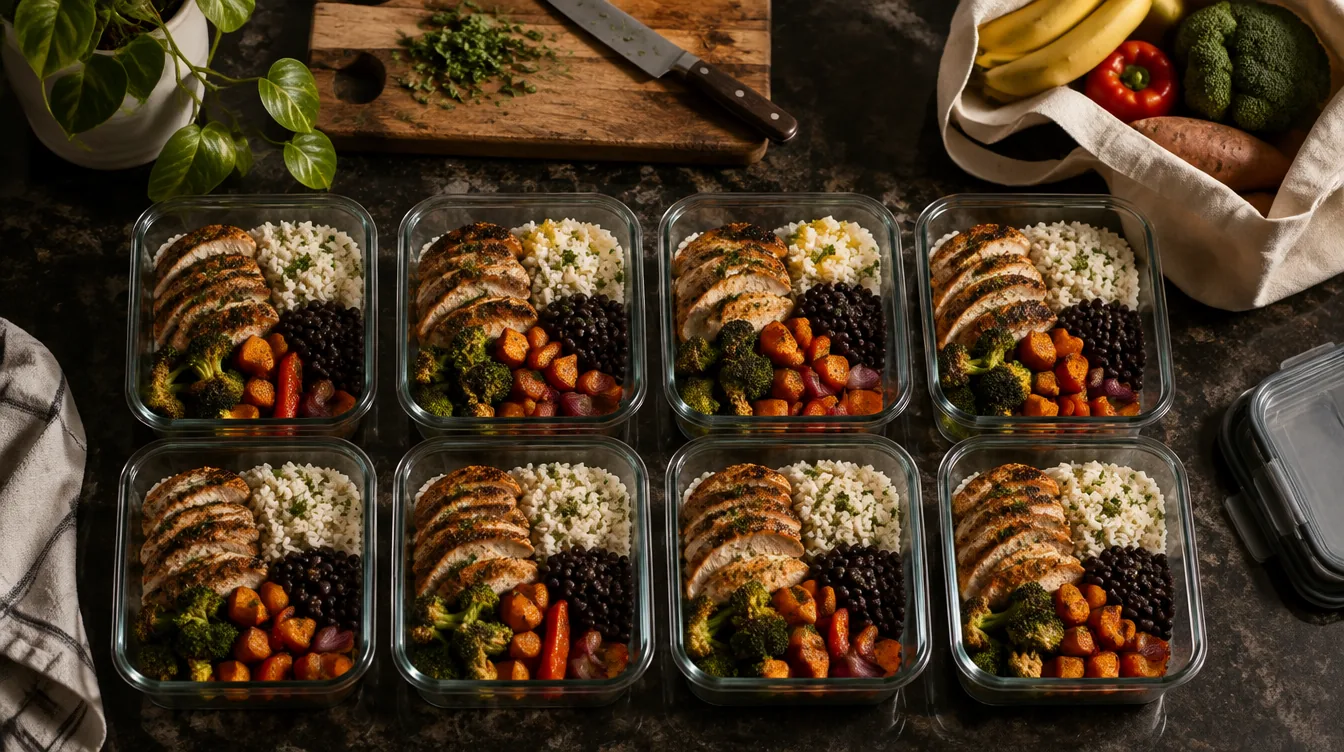
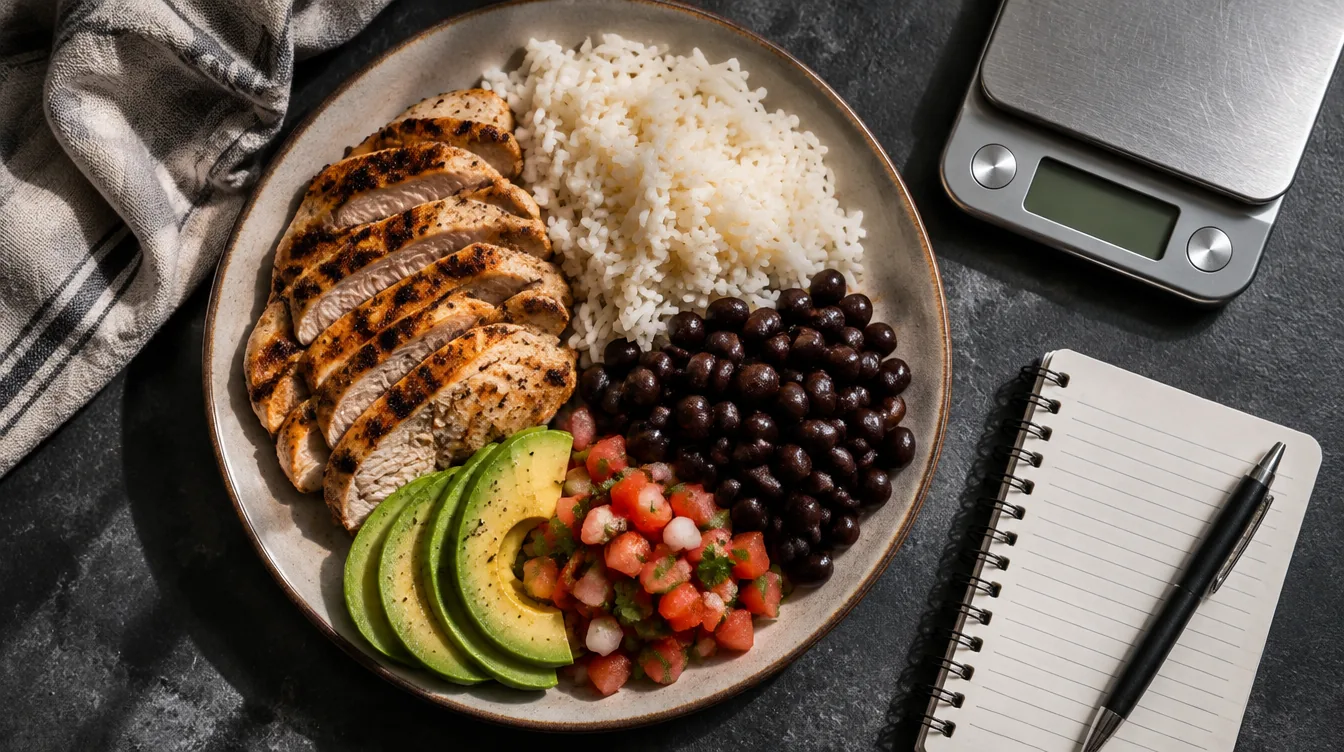
- Lunch (35 g): 150 g (5 oz) of chicken breast with rice and beans.
- Snack (20 g): 1 scoop of protein or 200 g of cottage cheese.
- Dinner (30 g): 150 g of fish or lean meat with vegetables.
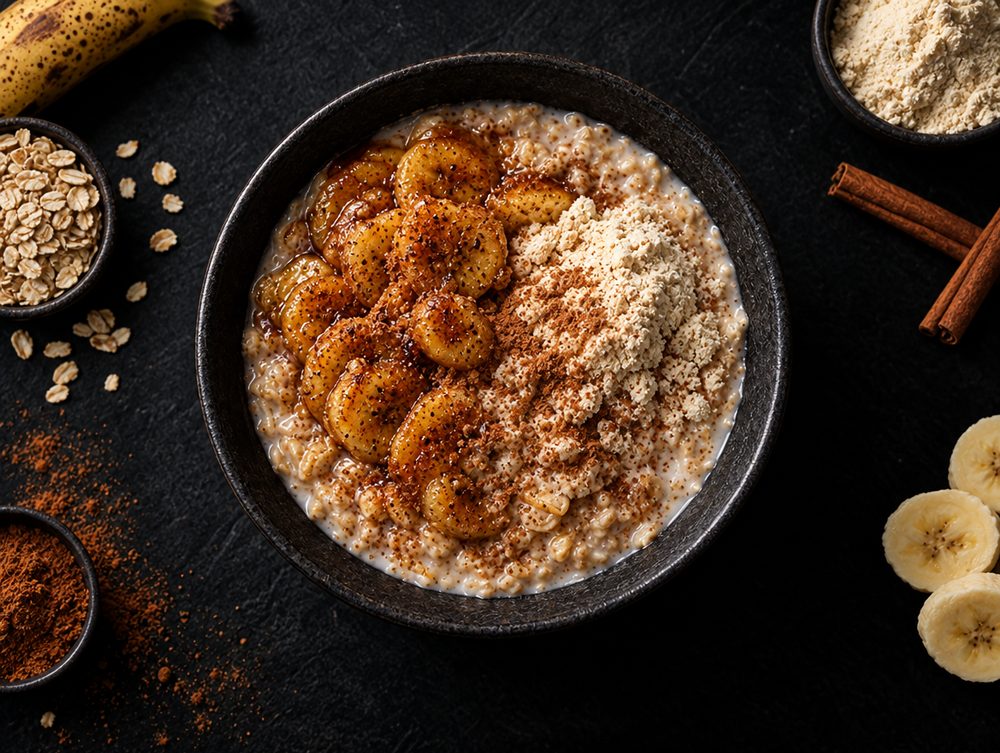
If breakfast is the hard one, here are easy high-protein breakfasts.
Protein sources (and how much they give you)
| Food | Serving | Protein |
|---|---|---|
| Cooked chicken breast | 100 g (3.5 oz) | 31 g |
| Tuna in water | 1 can (140 g) | 30 g |
| Egg | 1 large | 6 g |
| Plain Greek yogurt | 1 cup (200 g) | 18 to 20 g |
| Cooked black beans | 1 cup | 15 g |
| Panela cheese | 100 g | 18 g |
| Protein powder | 1 scoop | 20 to 25 g |
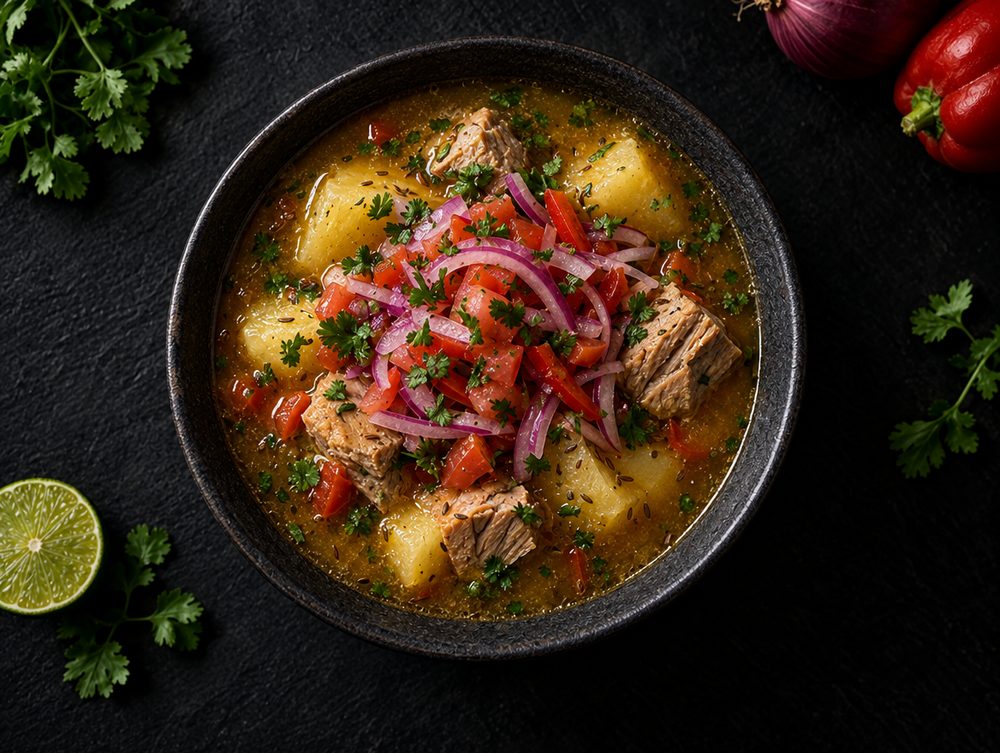
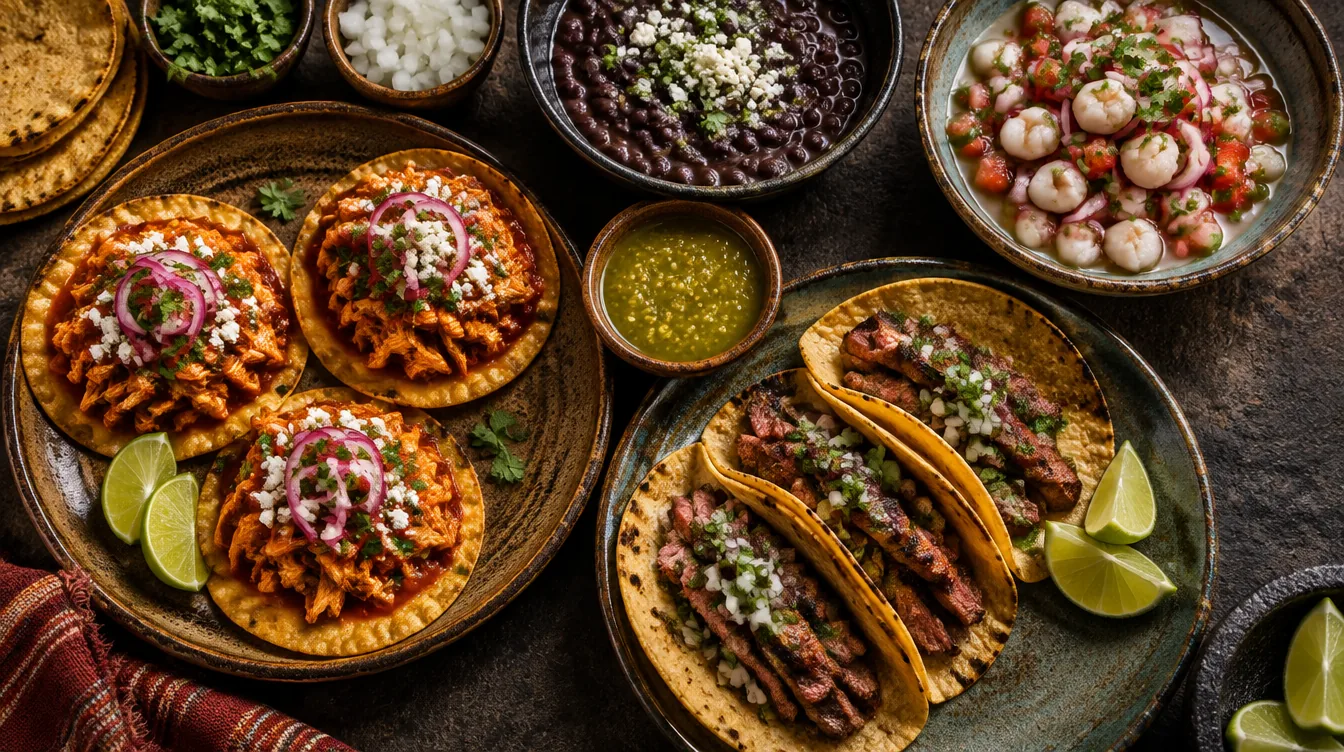
Latin food has plenty of options: chicken tinga, ceviche, carne asada, beans with eggs. Check these high-protein Mexican meals or browse the recipes with macros.
Protein doesn't build muscle on its own. Without strength training and good sleep, more protein just adds calories.
Common mistakes
- Counting rice or tortillas as protein. They have a little, but they're mostly carbs.
- Eating almost all your protein at dinner. Spreading it out is easier to hit and to use.
- Relying only on shakes. They're handy, but real food fills you up more and brings other nutrients. If you are also thinking about supplements, here is how much creatine to take per day.
- Forgetting total calories. If you want to lose fat, protein sits inside your macros. Here's how to calculate your macros.
This article is for information only. If you have kidney disease or another health condition, talk to your doctor before raising your protein.